Ten Essential Safety Tips for Construction Workers
To protect qualified carpenters, electricians, and plumbers for hire, we focus on working with construction contractors who implement safety guidelines. After years of successful career matching, we’ve learned quite a bit about safety. Here are our top recommendations.
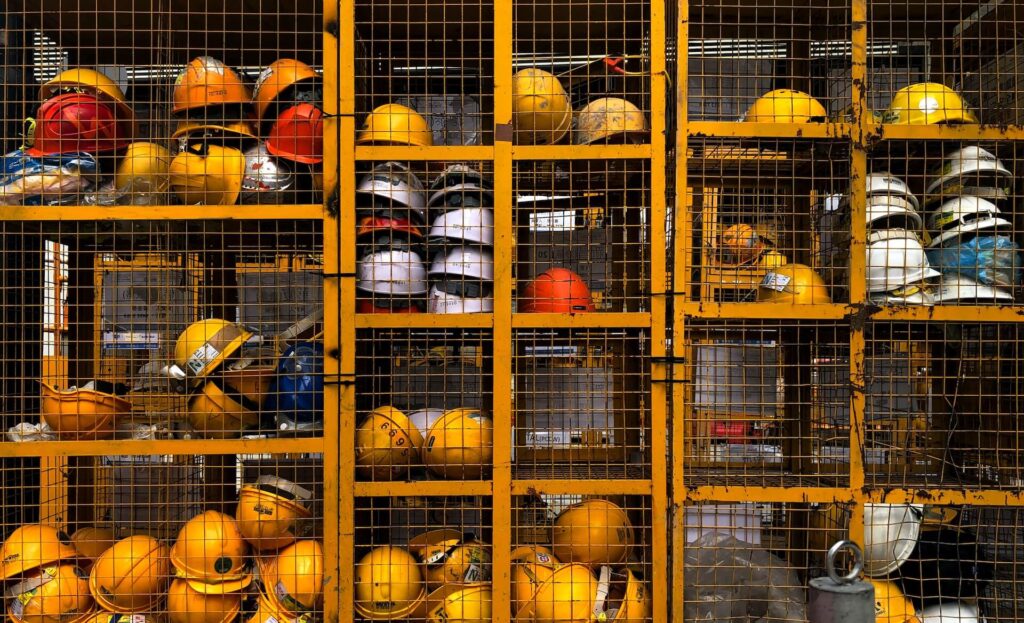
Below are ten essential safety tips for construction workers.
Working in the trades requires more than technical skill. It also demands awareness, preparation, and steady attention to safety. Whether you work as a carpenter, electrician, or plumber for hire, each day brings different challenges. Because risks can shift quickly, building strong safety habits protects both your health and your career.
Safety Tip 1: Qualified Construction Workers Always Use Proper PPE
Personal protective equipment is non-negotiable. Check your gear! Carpenters often need safety glasses, gloves, and hearing protection. Electricians rely on insulated gloves and flame-resistant clothing. Plumbers frequently benefit from waterproof gloves, knee pads, and slip-resistant boots. When you gear up properly, you reduce hazards before the work even begins.
Safety tip 2. Keep Your Work Area Clear
A tidy workspace protects you from slips, trips, and tool-related injuries. Furthermore, organized materials help you work faster and with greater accuracy. When you clean as you go, you create a safer environment for yourself and everyone around you.
Safety tip 3. Inspect Tools Before Every Shift
Tools wear down over time, and even minor damage can create major problems. Because of this, inspect electrical cords, cutting surfaces, batteries, and attachments before you start. Replace anything that looks worn or unsafe. This quick step prevents equipment failures and costly downtime.
Safety tip 4. Use the Correct Tool for the Task
Trying to “make it work” with the wrong tool often leads to injuries. For example, carpenters should avoid makeshift blades, electricians must never substitute non-insulated tools, and plumbers should skip using the wrong wrenches on pipe fittings. When you choose the right tool, your work becomes safer and more precise. This is one of the safety tips for construction workers that our founder Shaun swears by!
Safety tip 5. Practice Safe Lifting Techniques
Carrying lumber, pipe, or electrical spools is part of the job. However, lifting them incorrectly can strain your back or shoulders. Looking to age without pain from your job? This safety tip for construction workers is crucial. ALWAYS bend your knees, keep the load close to your body, and ask for help when needed. Safe lifting reduces injuries and enables you to stay strong for long-term work.
Safety tips for construction workers 6. Stay Aware of Live Power and Water Sources
Electricians work directly with live circuits, but carpenters and plumbers also encounter electrical lines and water hazards. Because these risks overlap on many jobsites, always confirm what’s live, what’s locked out, and what’s been shut off. This safety tip relies on the extra awareness to prevent dangerous surprises.
Safety tip 7. Secure Ladders and Elevated Work Surfaces
Falls remain one of the most common injuries in the trades. Before climbing, check that your ladder is level, locked, and rated for your weight and tools. Carpenters working on framing, electricians routing wires, and plumbers accessing overhead lines all benefit from careful, stable positioning.
Safety tip 8. Review Jobsite Hazards Daily
Conditions change fast—new materials arrive, other trades move in, and weather shifts.As a result, take a few minutes each morning to scan for hazards. Look for water on the floor, exposed wiring, unstable surfaces, or restricted areas. A short review can prevent major incidents.
Safety tip 9. Communicate Clearly with Your Team
Good communication keeps everyone safe. When you announce what you’re doing—cutting, lifting, shutting down a line, or switching a breaker—you help your team anticipate and react. Clear, steady communication protects new hires and experienced workers alike.
Safety Tip 10: Qualified Construction Workers Never Rush the Work
Deadlines matter, but safety matters more. When you rush, you increase the chances of miscuts, wiring errors, and plumbing failures. Slow, steady work produces higher-quality results and keeps you injury-free for the next job.
Creating a Culture of Safety on Every Job
Safety is not a one-time habit—it’s a culture you build every day. When you stay alert, communicate openly, and prepare properly, you make every jobsite smoother, more productive, and far safer. Whether you’re framing walls, wiring systems, or repairing water lines, these simple practices help you protect yourself and the people around you.
Hire Qualified Construction Workers Who Prioritize Safety
Interested in finding an employer near you who also believes in the importance of construction site safety? Looking to hire tradespeople who value on-site safety? Sign up for Trade Scouts