Electrical Licenses 101: What You Need to Know
Each state has slightly different requirements that professionals need to achieve to get and maintain their electrical licenses. What are those requirements? Are there different types of electrician licenses? And how can you get started?
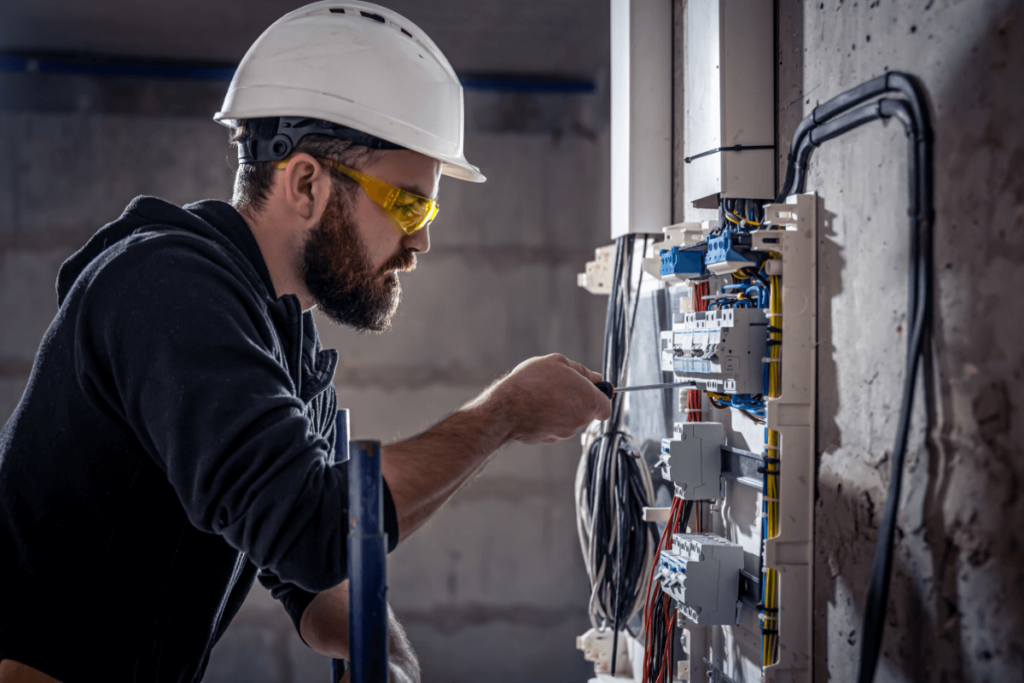
First, electricians must hold electrical licenses to legally and safely work in the construction industry. These licenses prove that electricians complete proper training, understand current electrical codes, and perform work safely and correctly.
Because licensing rules vary, each state has slightly different requirements electricians must meet to obtain and maintain electrical licenses. What are those requirements? Are there different types of electrician licenses? So how do you get started?
To begin, we’ll start with the basics.
What Are Electrical Licenses?
While every state has different routes to an electrician’s license, all licenses ultimately require knowledge of the NEC, or the National Electric Code.
Although every state has different routes to an electrician’s license, all licenses ultimately require knowledge of the NEC, or the National Electric Code.
In most cases, to get and maintain a valid electrical license, you’ll need a certain amount of experience, a background check, and liability insurance if your jurisdiction requires it. In addition, you’ll need to pass an exam and commit to continuing your education.
Do You Need an Electrical License to Work as an Electrician?
The short answer is yes.
Across many states, the law requires electricians to hold a license before working on a job site.
In certain situations, states may offer reciprocity agreements that allow electrical professionals from another state to work in both regions with minimal additional paperwork.
What Types of Electrical Licenses Are Available?
Generally speaking, your state will probably offer three different levels of electrical licenses.
- Apprentice licenses, which are for trainees that perform electrical work only under direct supervision;
- Meanwhile, journeyman licenses apply to fully trained professionals who have fewer restrictions than apprentices but still work with master electricians; and
- Master electrician licenses, which represent the highest level of license and allow license holders to supervise jobs and train apprentices.
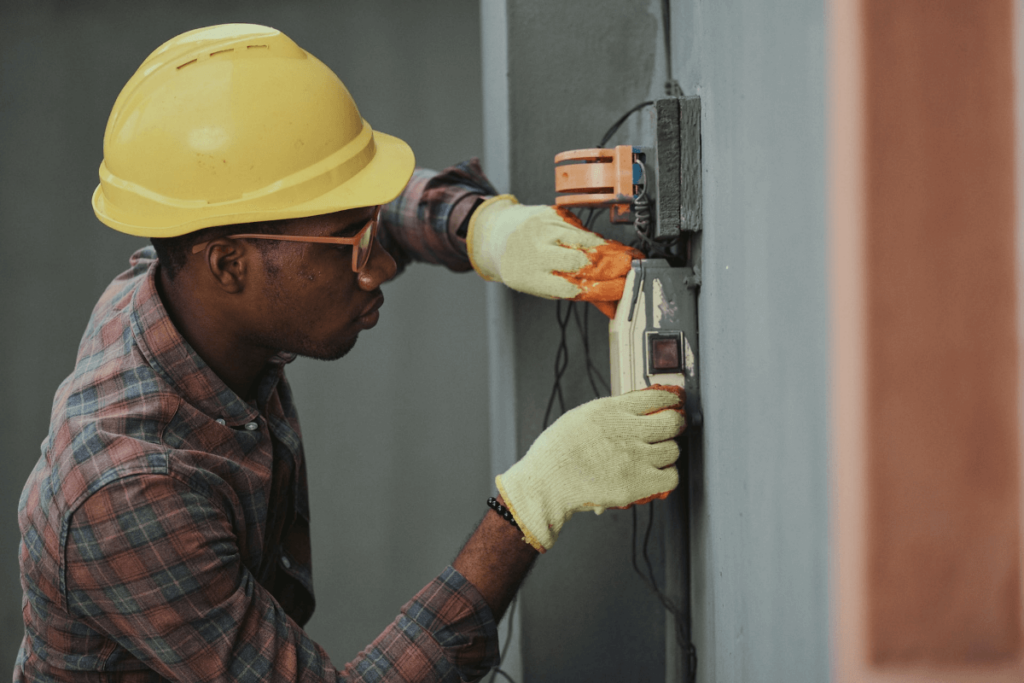
How to Get an Electrical License in Your State?
Because each state is different, every state has a specific electrician license system. Heading to your state’s board of electricians or department of labor is a good first step to take on your route to a valid electrician’s license. We’ll provide some state-by-state examples below!
- Maryland issues master electrician licenses through the Maryland State Board of Master Electricians. Apprentice and journeymen licenses are available on a county-by-county basis.
- Pennsylvania does not have a statewide license system. Instead, each municipality requires specific certification. However, on a statewide level, working electricians must still comply with the Home Improvement Consumer Protection Act.
- Delaware requires electrical licensure through the Delaware Board of Electrical Examiners. This board offers many licenses, including apprentice, journeyman, limited, master, and master special levels.
- North Carolina requires journeyman electrical licenses at the municipality level. Additionally, the North Carolina State Board of Examiners of Electrical Contractors oversees electrician license requirements.
If you hold an electrical license, creating a strong career profile helps employers verify your credentials, experience, and safety knowledge in one place.Licensed electricians showcase their qualifications and get hired faster through TradeScouts.com. Additionally, understanding how licensing, safety practices, and job readiness work together can give you a competitive edge. For that reason, many electricians also review our guide on construction site safety and handling hazardous materials. Create a career profile and get hired quickly and safely through Trade Scouts.
Alternatively, if you’re looking for a fully licensed electrician in your region, you can create an account to start hiring today.